


Apex Wallpaper Launcher
3.214.00 Reviews
App Specs
- Version
- 2008
- Updated On
- License
- Free
- Downloads
- 10,000+
- Developer
- Dorkari App
- Categories
- Personalization
- Platform
- Android
Screenshots

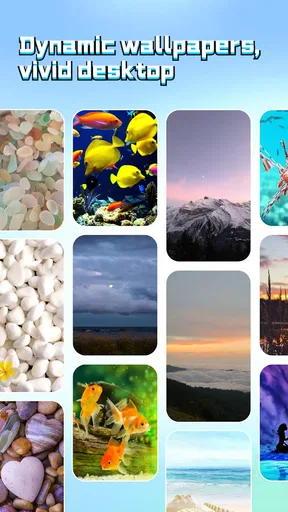
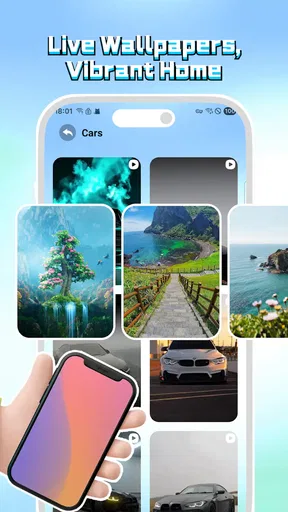

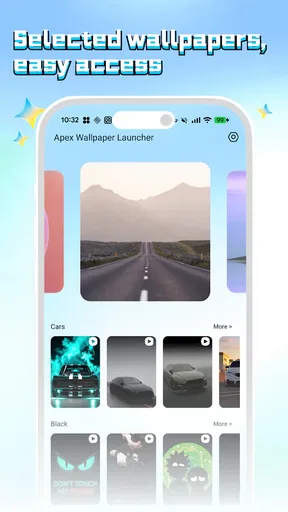
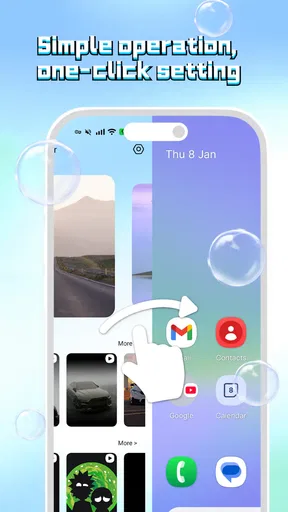
 Analysis by AppCompare
I usually start looking for a new home-screen app when the default layout begins to feel stale, but changing launchers can also create small headaches: familiar shortcuts move, widgets need to be placed again, and a new layout may take a little adjustment. Apex Wallpaper Launcher is aimed at people who want to personalize their phone’s appearance without turning the process into a technical project. I’d approach it as a way to refresh the home screen in manageable steps, rather than expecting one tap to make every part of the phone look different.
Getting oriented without losing your routine
The first useful decision is how much you want to change at once. If you only want a different backdrop, begin with that and live with it for a day before rearranging icons or adding widgets. If you change several things together, it becomes harder to tell which choice made the screen easier or more awkward to use. That gradual approach is especially helpful if you rely on muscle memory to open messages, maps, or work apps quickly.
As a personalization app from Dorkari App, Apex Wallpaper Launcher sits in a category where the default launcher, wallpaper tools, and other home-screen replacements are common alternatives. Its appeal is the prospect of bringing visual choices and launcher-style adjustments into one place. The trade-off is that a launcher affects a part of Android you use constantly: even a good-looking setup can feel like a downgrade if your everyday shortcuts become harder to reach.
Where users can get stuck
Most launcher friction is practical rather than dramatic. A wallpaper that looked balanced in a preview may make text or icons harder to distinguish on the actual screen. A new arrangement can also leave important apps farther away than before. I’d check the home screen in ordinary lighting and with the phone held the way I usually use it, not just while choosing a design. A layout should remain readable when I’m in a hurry, not only look tidy when I stop to admire it.
Another common stumbling point is expecting every part of the phone to follow the same visual style. A home-screen change does not automatically mean that every app, menu, or system screen will match. I’d judge the launcher by the areas it controls and avoid spending time trying to make unrelated parts of Android behave as if they were part of one theme.
The app is free, carries an Everyone content rating, and has passed the 10K+ install mark. Its average is 3.2 from 51 ratings, with 14 written reviews, so I’d treat public feedback as a reason to try it thoughtfully rather than as proof that it will suit every phone or taste. The current version is 2008, and the listed minimum operating-system requirement is Android 8.0. Those details make it easier to decide whether a trial is practical, but they don’t replace checking how the setup feels on your own device.
Setup checks that save time
Before changing the layout, I’d make a quick mental note of the few things I need within easy reach: my most-used apps, any essential widget, and the way I normally get to the app list. Then I’d change one element at a time and test it during normal use. This creates a simple fallback: if the new screen feels confusing, I know which recent change to undo instead of starting over from scratch.
Worth Reading Before You Choose

Flipboard Shows What News Apps Must Do Beyond the Feed

Switching to Android Auto Means Rethinking Your Driving Routine

Google Calendar Makes a Crowded Week Easier to Manage

Ludo King Makes the Most of the Minutes Between Plans

Baby Panda World Brings Quick Play to Modern Phones, but Its Game Library Feels Busy

ESPN’s Live Game View Makes Following Close Games Easier
For a wallpaper-first refresh, choose an image that leaves enough quiet space behind icons and labels. A busy picture can look striking on its own but make the screen tiring to scan. If the result feels crowded, try moving less-used shortcuts away from the first screen before adding more decoration. This is a small design choice, but it often matters more during a rushed morning than a collection of visual effects.
Widgets deserve a similar check. I’d add only the one or two that answer a question I regularly have, such as what is next on my calendar, rather than filling empty space just because it is available. Every widget competes with app shortcuts for room. If a screen becomes harder to scan after adding one, removing it is a sensible improvement, not a failure to customize.
Recovering a workflow when the layout feels wrong
If a change makes the phone awkward, pause before rebuilding the whole screen. First, identify whether the problem is visual—poor contrast or a crowded arrangement—or functional, such as a frequently used app taking too many taps to reach. Adjusting just that part keeps the useful changes intact. I find this more reliable than repeatedly switching designs in search of a perfect setup.
A realistic routine might be a quick home-screen refresh before a busy week. I’d choose a calmer background, keep the apps I use for messages and navigation easy to find, and place a calendar widget only if it gives me information I actually check. After a day or two, I’d notice whether the screen helps me move through those tasks or merely looks different. That test is more useful than judging a setup during the first few minutes, when novelty can make almost any change feel exciting.
If a shortcut or widget does not appear where expected, I’d check the home screen and app list carefully before assuming something has stopped working. Launcher layouts can change where familiar items are presented, so a brief search may be enough to restore the routine. If the screen remains confusing, returning to a simpler arrangement is a reasonable choice; personalization should reduce friction, not become another task to manage.
When the launcher may not be the cause
Not every home-screen annoyance is created by the launcher. If an app itself is slow to open, or a widget is not showing the information I expect, the issue may belong to that app or to the phone’s wider setup. I’d separate those problems from layout questions: first see whether the app works as expected when opened directly, then decide whether its shortcut placement is the real issue.
It is also worth being realistic about what a personalization tool can change. Someone looking for a different wallpaper and a more personal arrangement may enjoy experimenting here. Someone who wants the entire operating system, every app screen, and every interaction to adopt a single appearance may be better served by tools designed specifically for those separate areas. I would not choose a launcher on the assumption that it can rewrite parts of Android outside its role.
Compared with leaving the phone’s standard launcher untouched, a dedicated option is attractive when the existing home screen feels restrictive or visually dull. Compared with a simple wallpaper changer, a launcher suggests a broader focus on how the home screen is organized, but that breadth also means more adjustment. If I only want a new background and don’t want to revisit app placement, the simplest wallpaper option may be the better fit.
Who is likely to enjoy the trade-off?
I’d recommend giving it a careful try if you enjoy tuning your home screen and are willing to spend a little time checking that the result still works for everyday tasks. It may suit someone who wants to make a phone feel more personal without needing to learn advanced setup techniques. The app’s free price lowers the barrier to trying it, but a free install is not a reason to keep a layout that makes routine actions slower.
I’d skip it if the current home screen already does everything I need, if I strongly dislike rearranging shortcuts, or if I expect a wallpaper-focused app to change the appearance of every screen on the device. It may also be a poor match for anyone who values a familiar, unchanged layout more than visual variety. In that case, sticking with the default experience—or changing only the background with a simpler tool—keeps the learning curve low.
One useful way to decide is to set a small goal before installing: make the first screen easier to scan, give it a calmer look, or bring one frequently checked item into view. If the app helps with that goal without making other tasks less convenient, the experiment has paid off. If it takes repeated adjustments to get back to a comfortable routine, the extra choice may not be worth it for that person.
My practical verdict
Have you ever felt like your phone’s interface is a bit...meh? Well, I’ve been there too, and let me tell you, changing things up can make your device feel brand new. Enter Apex Wallpaper Launcher, an app that’s all about giving your phone a fresh look with minimal effort. Let’s dive into what makes this launcher a solid pick for anyone wanting to spruce up their home screen.
Customizing Your Experience
When it comes to customization, Apex Wallpaper Launcher doesn’t mess around. One of the first things you'll notice is the plethora of options at your fingertips. Whether you want a sleek, minimalist vibe or something more vibrant, this app has you covered. I was particularly impressed with how seamless it was to switch between themes and wallpapers. The interface is intuitive, making it easy even for those who might not be tech-savvy.
Need to change your icons? No problem. Apex offers a huge selection of icon packs, allowing you to mix and match to your heart’s content. It feels almost like dressing up your phone in a new outfit every day. And let’s be honest, who doesn’t love a wardrobe change now and then?
Smooth Performance
One of my pet peeves with launchers is that they can sometimes slow down your phone. Thankfully, that’s not the case here. The app is optimized for performance, ensuring smooth transitions and minimal lag. Even with all the customization options, I found that my phone remained snappy and responsive. It’s like having your cake and eating it too!
There’s also the nifty feature where you can hide apps you don’t use often. This keeps your home screen clutter-free and your phone running efficiently. It's small touches like these that make a big difference in the overall user experience.
Widgets and More Widgets
If you’re a widget fanatic, Apex has got your back. The launcher supports a wide array of widgets that are not only functional but also visually appealing. From weather updates to calendar events, you can have all the information you need right at your fingertips. I found myself actually using widgets more often because they integrate so well with the overall design of the launcher.
And let’s not forget about the gesture controls. Swiping, pinching, and double-tapping can all be customized to perform different tasks. It’s like giving your phone a set of magic tricks that you can show off to your friends. Pretty neat, right?
Final Thoughts
At the end of the day, Apex Wallpaper Launcher is more than just an app; it’s a way to express yourself through your phone. The level of customization is top-notch, and the performance is stellar. Whether you’re looking to completely overhaul your phone’s look or just tweak a few things, this launcher is definitely worth a try.
So, if you're ready to say goodbye to boring and hello to fabulous, give Apex a shot. You might just find yourself falling in love with your phone all over again. And who wouldn’t want that?
Pros
- Highly customizable home screen options.
- Smooth performance with low resource usage.
- Extensive icon pack support available.
- Gesture controls enhance user experience.
- Regular updates with new features.
Cons
- Limited widget customization options.
- Ads can be intrusive in free version.
- Some features locked behind paywall.
- Occasional crashes with certain themes.
- Lacks built-in wallpaper collection.
FAQs for Apex Wallpaper Launcher
What features does the Apex Wallpaper Launcher offer?
Apex Wallpaper Launcher provides a customizable home screen experience with a variety of unique wallpapers, icon packs, and themes. It supports gesture controls, transition animations, and app drawer customization. Users can also enjoy a seamless integration with widgets, making personalization both easy and extensive.
Is Apex Wallpaper Launcher easy to use for beginners?
Yes, Apex Wallpaper Launcher is designed to be user-friendly, even for those new to customization apps. It offers an intuitive interface with straightforward settings and tutorials to guide users through the various personalization options. The drag-and-drop functionality also simplifies the customization process.
Does Apex Wallpaper Launcher affect phone performance?
Apex Wallpaper Launcher is optimized to run smoothly on most devices. While it offers numerous features, it is designed to minimize battery and CPU usage. However, performance may vary depending on the device's specifications and the number of customizations applied.
Can I use Apex Wallpaper Launcher on both Android and iOS devices?
Apex Wallpaper Launcher is primarily designed for Android devices. It leverages Android's open environment for extensive customization. Unfortunately, due to iOS's restrictions, a similar experience is not available for iPhone users at this time.
Is there a cost associated with downloading or using Apex Wallpaper Launcher?
Apex Wallpaper Launcher is available for free download on the Google Play Store. It offers in-app purchases for premium features and additional customization options. These purchases are optional and allow users to enhance their experience with advanced themes and features.


